
The Complete Guide to Buying Customized T-Shirts in Bulk
A procurement-grade framework to choose fabric, GSM, printing, and sizing—built for employee welcome kits, corporate events, and large-scale campaigns.
Built as a pillar page for “customized t shirts” and bulk buying intent. Supporting clusters strengthen topical authority.
1) Why Customized T-Shirts Win in Corporate Merchandise
Customized T-shirts are one of the few merch items that combine daily utility, high visibility, and bulk-friendly pricing. When the fabric feels premium and the fit is correct, people re-wear it—compounding brand impressions across offices, commutes, and events. If you’re building a full onboarding experience, pairing tees with employee welcome kits increases perceived value dramatically.
Culture alignment and belonging from day one.
Cohesive teams and photo-ready branding.
Strong cost-per-impression when worn repeatedly.
Merch becomes identity—especially during milestones.
Improves team discoverability in crowded venues.
High volume + bold graphics + fast turnaround cycles.
2) The 4-Step Framework to Choose the Right T-Shirt Spec
This system helps procurement teams lock the correct spec (GSM, fabric, printing, sizing) without rework. Use it once and you’ll stop over-optimizing.
- • Welcome kit: comfort + repeat wear matters most
- • Event: visibility + deadline matters most
- • Campaign: reach + unit cost matters most
- • 180–200 GSM: safest corporate standard
- • 160 GSM: budget/promo and hot weather
- • Dry-fit: outdoor, sports, wellness runs
- • 100+ pcs: screen printing wins economics
- • 20–200 pcs: DTF = detail + flexibility
- • Premium polos: embroidery increases perceived value
- • Fix ratios (S/M/L/XL/XXL) using team demographics
- • Add 10–15% buffer for events
- • Approve a physical sample before bulk run
3) Quantity Guide: How Order Size Changes the Best Choice
Order size influences cost, print method, timeline, and consistency. Use this to avoid paying for the wrong printing route.
- • Samples, leadership gifting
- • Best print: DTF / DTG
- • Quick approvals
- • Events, department rollouts
- • Best print: Screen + DTF hybrid
- • Great unit economics
- • Uniforms, national campaigns
- • Best print: Screen printing
- • Lowest cost per unit
Decision table (fast)
| Order size | Best method | Ideal use | Procurement note |
|---|---|---|---|
| 20–50 | DTF / DTG | Samples, premium small runs | Best for detailed artwork and quick approvals |
| 100–500 | Screen + DTF | Events, team rollouts | Balance of cost efficiency + flexibility |
| 1000+ | Screen printing | Uniforms, campaigns | Plan timelines and size ratios carefully |
4) GSM Guide: Decoding Fabric Weight for Real-World Use
GSM is a simple indicator of thickness and structure. Higher GSM often feels more premium, but “best GSM” depends on comfort, climate, and use case.
- • Breathable
- • Promo/events
- • Summer-friendly
- • Best balance
- • Strong print base
- • Repeat-wear comfort
- • More opaque
- • Premium hand-feel
- • Great for gifting
- • Maximum durability
- • More structure
- • Premium programs
If you need one safe choice: 180 GSM bio-washed cotton works for most employee programs, events, and repeat-wear gifting.
5) Fabric Types: What to Choose for Corporate Wear
Fabric decides comfort, print performance, and how the T-shirt behaves after washes. Use this table to choose confidently.
Fabric comparison
| Fabric | Comfort | Durability | Price | Ideal use |
|---|---|---|---|---|
| Cotton | ★★★★★ | ★★★☆☆ | ₹₹ | Office wear, premium feel |
| Bio-washed cotton | ★★★★★ | ★★★★☆ | ₹₹₹ | Welcome kits, repeat wear |
| Polyester | ★★★☆☆ | ★★★★★ | ₹ | Uniforms, outdoor work |
| Dry-fit sports | ★★★★☆ | ★★★★☆ | ₹₹ | Marathons, wellness programs |
| Cotton-poly blend | ★★★★☆ | ★★★★☆ | ₹₹ | Large rollouts, daily wear |
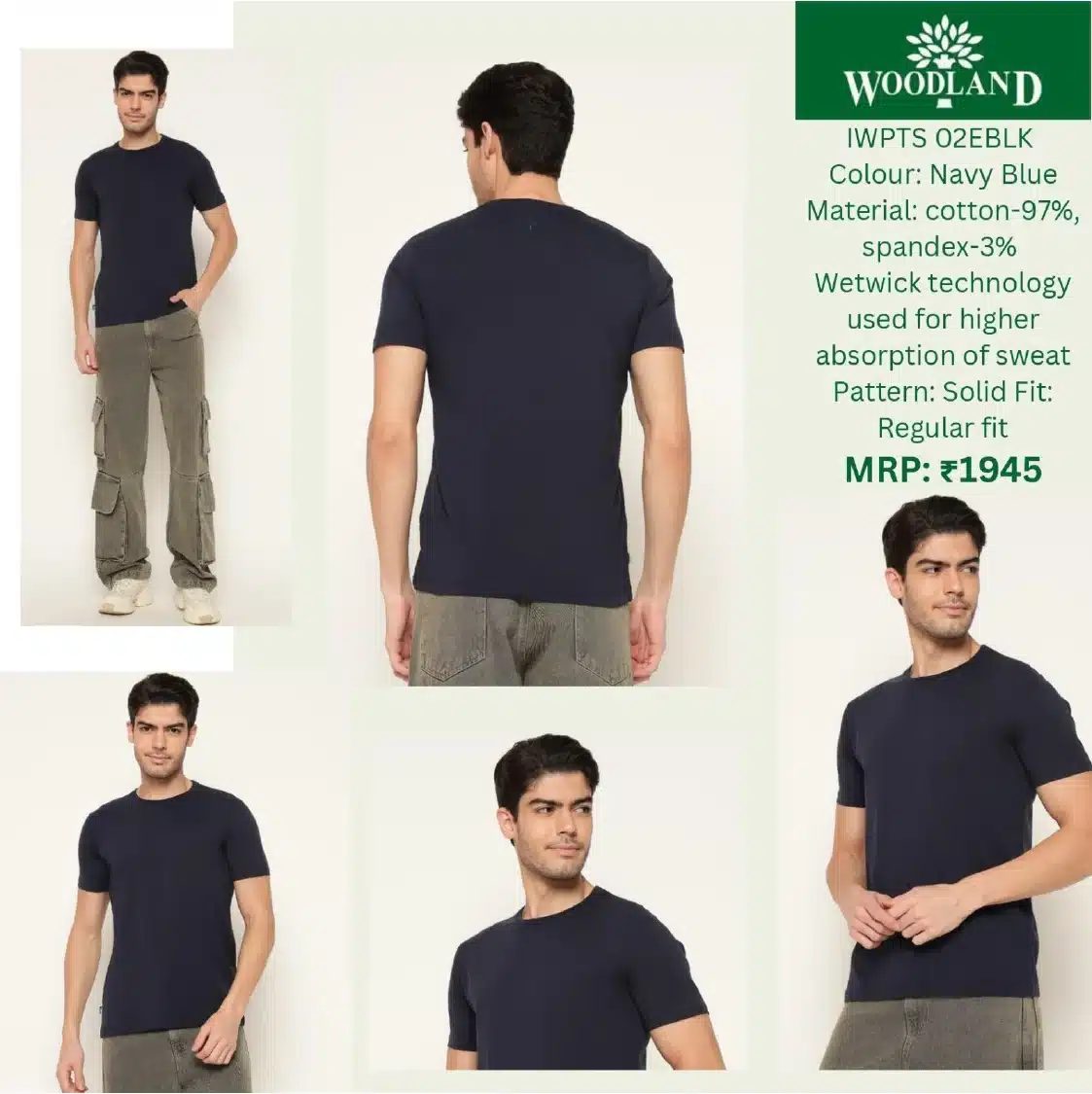
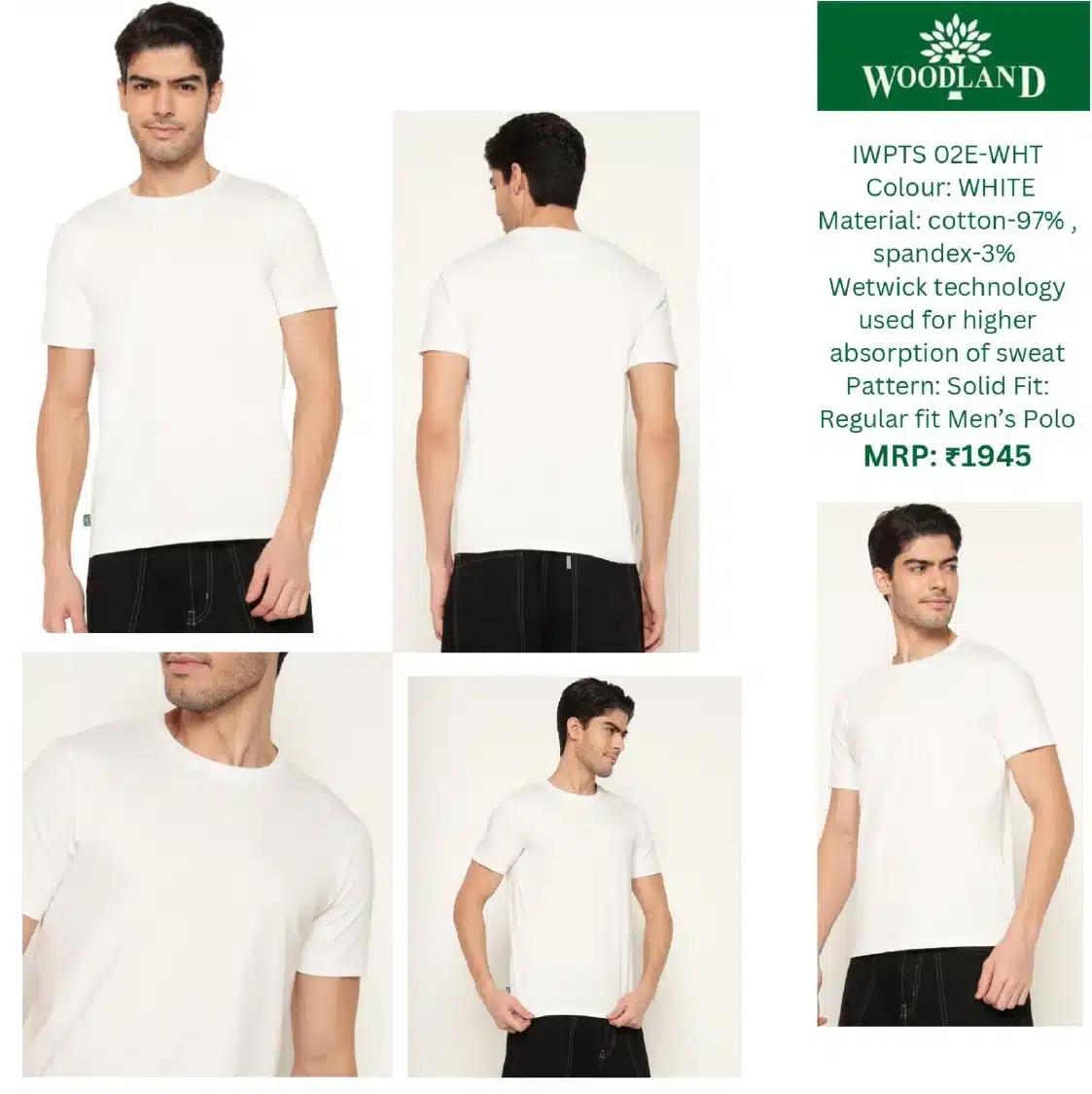
6) Color Strategy: What Looks Corporate & Prints Best
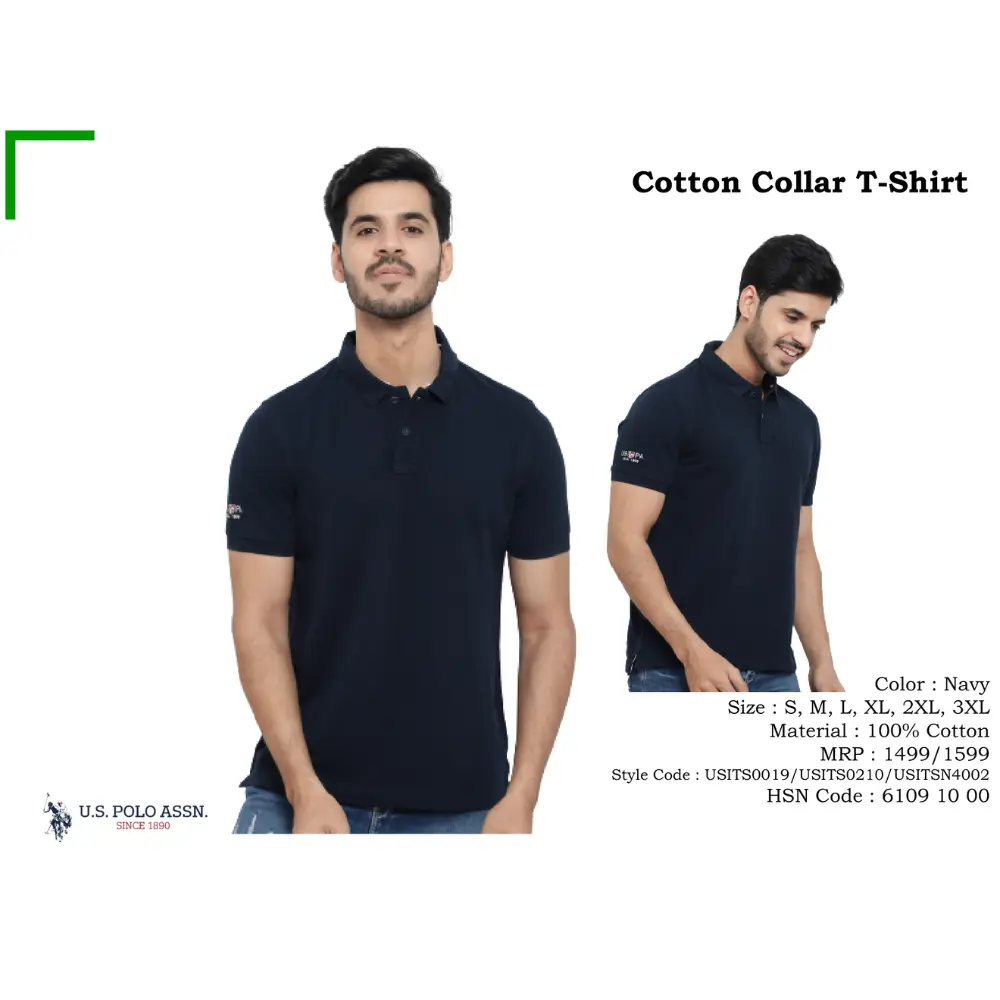
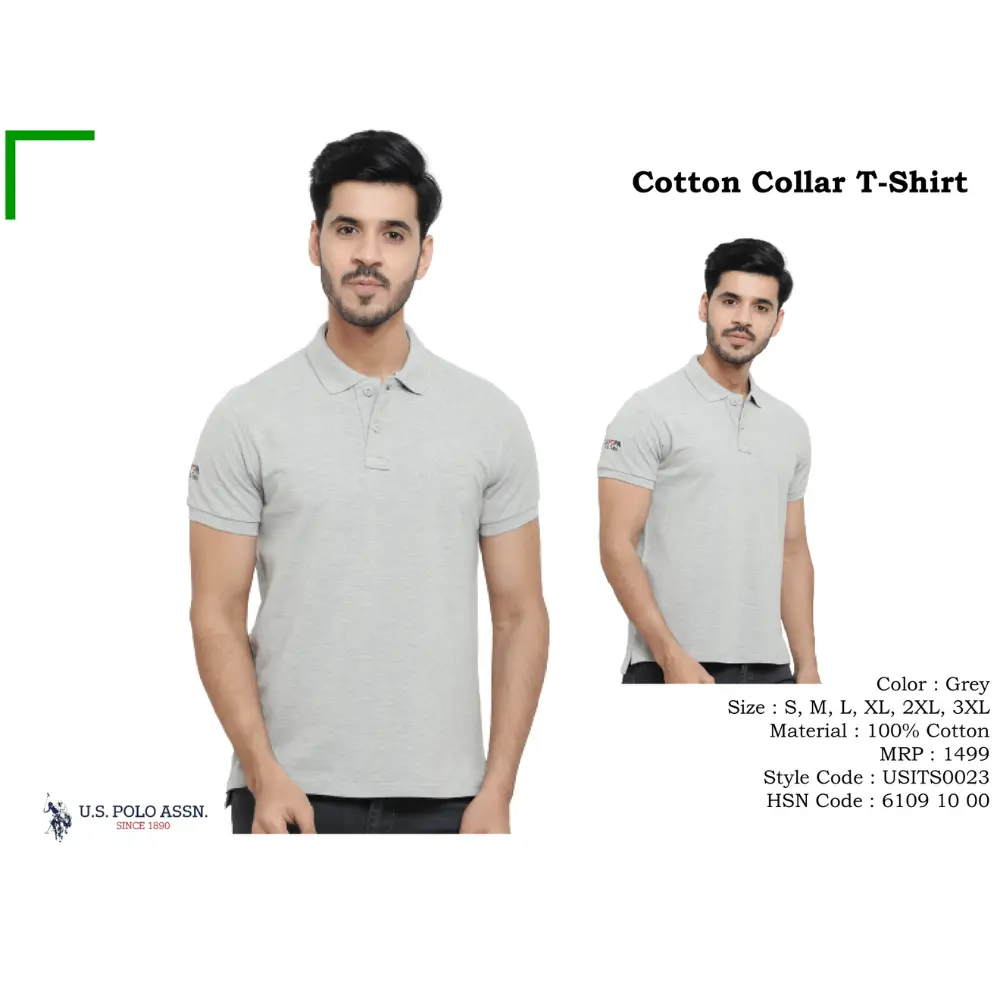
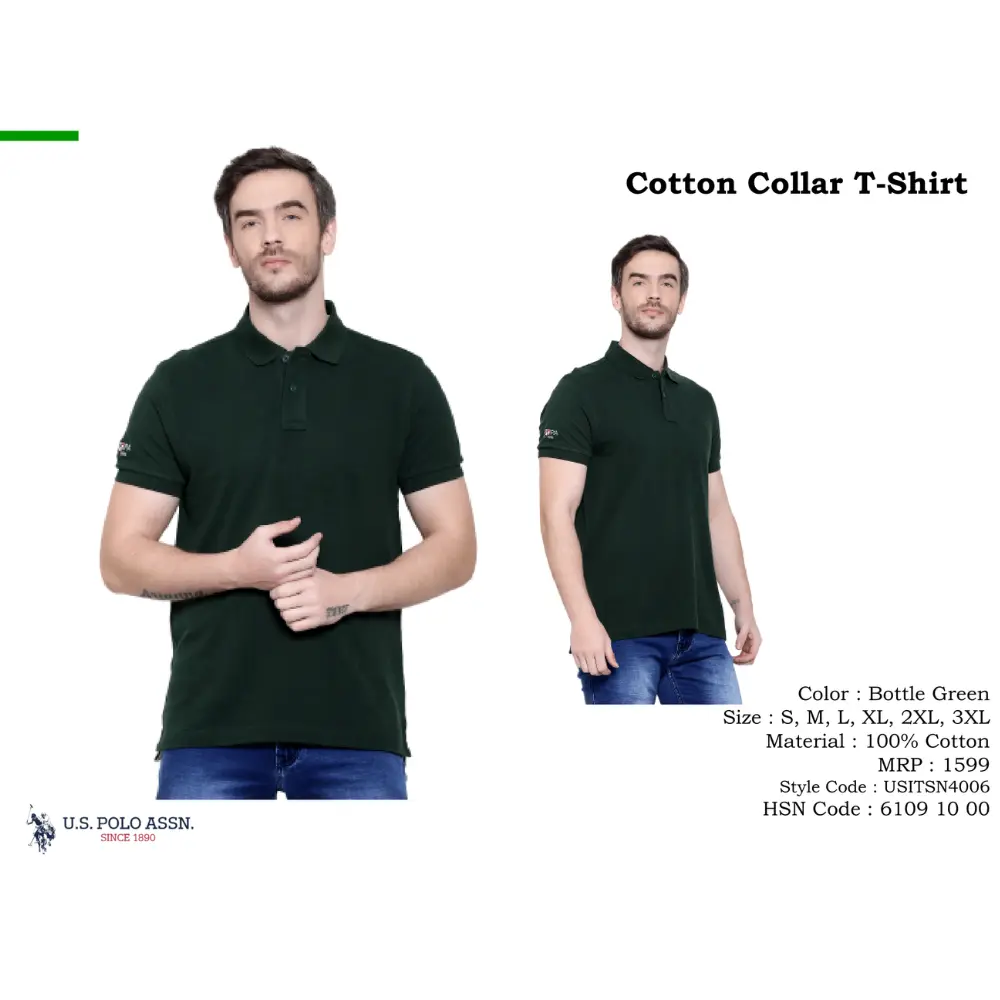
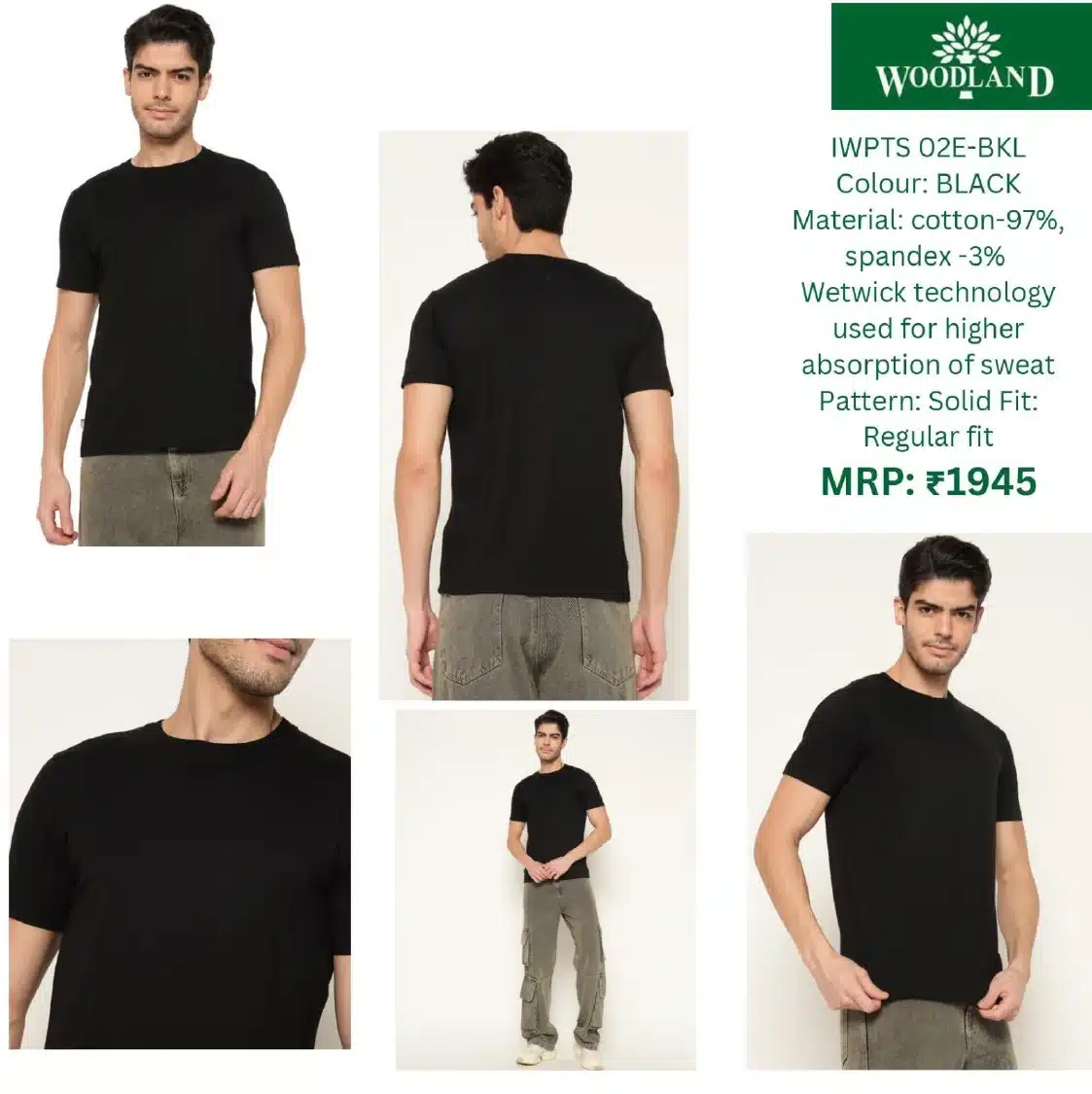
Choose colors employees will re-wear. Keep logo visibility and stain tolerance in mind—navy and black are the safest corporate picks.
7) Printing Methods: What to Use & When
Printing should match quantity, artwork complexity, and premium level. Use the rule below and you’ll rarely go wrong.
Screen Printing
Best for bulk. Ideal for bold logos and 1–3 color graphics.
- • Lowest cost at scale
- • High durability
- • Best at 100+ pcs
DTF Printing
Best for complex artwork, gradients, multi-color prints.
- • Works across many fabrics
- • Great for 20–200 pcs
- • High detail + flexibility
DTG Printing
Best for photoreal designs on cotton in smaller batches.
- • Great for samples and small drops
- • Excellent color reproduction
- • Fabric choice matters
Embroidery
Premium feel. Best for polos and executive gifting.
- • Works best on thicker fabrics
- • Looks premium on navy/black
- • Long-lasting
The simple rule
Bulk + simple logo: Screen • Medium + complex artwork: DTF • Small + photoreal: DTG • Premium gifting: Embroidery
8) Branded vs Non-Branded: What Should You Choose?
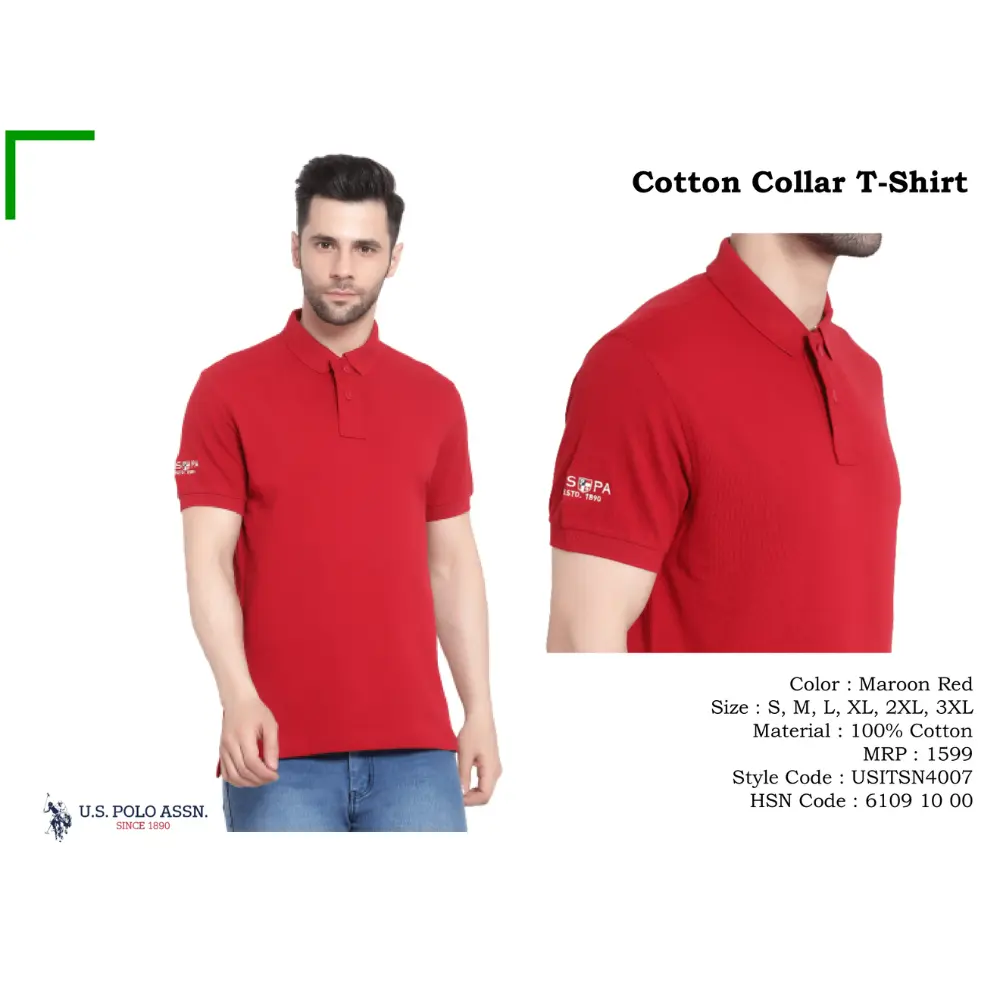
Branded options deliver instant premium perception. Non-branded premium manufacturing gives you full control over specs and better economics at scale. If your program includes broader gifting, explore the full corporate gifts range as well.
Branded options
- • Puma
- • Adidas
- • UCB
- • US Polo
- • Tommy Hilfiger
Best for leadership gifting, premium milestones, and client-facing teams.
Non-branded (custom manufacturing)
- • Full control: fit, GSM, colors
- • Better bulk pricing
- • Great for events and large rollouts
Best when you need consistency at scale with controlled budgets.
Positioning overview
| Option | Price range | Corporate appeal | MOQ |
|---|---|---|---|
| Premium licensed brands | ₹₹₹₹ | Highest perceived value | 25–100 |
| Non-branded (premium custom) | ₹₹₹ | High (with premium specs) | 20–200 |
| Non-branded (budget promo) | ₹ | Best for reach and volume | 200–1000+ |
9) Best Specs by Scenario
Employee welcome kits
- • 180 GSM bio-washed cotton
- • Navy/black/white
- • Left-chest embroidery + optional back print
- • Built for repeat wear
If you’re doing onboarding at scale, pair this with employee welcome kits for a premium first-day experience.
Corporate events
- • 160–180 GSM
- • Screen print for scale
- • 10–15% buffer stock
- • Optimize for visibility + photos
Startup teams
- • 180–200 GSM for premium hand-feel
- • Creative DTF/DTG
- • Limited editions for milestones
- • Strong culture-building impact
Sports & wellness events
- • Dry-fit sports fabric
- • Breathability first
- • High visibility colors
- • DTF for logos and numbers
10) Sustainable & Eco-Friendly Options
If sustainability matters, choose certified materials and communicate transparently about what you’re using.
Certifications to know
- • GOTS (organic textile standard)
- • OEKO-TEX Standard 100 (harmful substances)
- • GRS (recycled content supply chain)
11) Bulk Buying Checklist (Procurement-Grade)
Use this to align teams and avoid production issues.
- • Quantity + 10–15% buffer
- • Logo in vector format (AI/EPS/PDF)
- • Brand colors / Pantone references
- • Delivery timeline + contingency
- • Budget per unit + total
- • GSM finalized
- • Fabric locked
- • Printing method approved
- • Size ratio confirmed
- • Color consistency plan
- • Packaging: individual vs bulk
- • Inserts + care instructions
- • Shipment plan (single vs multi-location)
- • QC plan / acceptance criteria
- • Size exchange process
12) FAQ
What is the best GSM for customized T-shirts for corporate use?
What is the minimum order quantity for customized T-shirts in bulk?
Which printing method is best for bulk customized T-shirts?
Where can I order customized T-shirts in bulk in India?
Conclusion: Choose a Spec People Will Actually Wear
The best customized T-shirt is the one people keep wearing—because it fits well, feels comfortable, and looks premium. For most corporate programs, start with 180 GSM bio-washed cotton, then choose screen/DTF based on quantity and artwork.
Next step: Explore Custom T-Shirts
Browse branded and non-branded options and match specs to your program goals.