
Branded vs Made-to-Order Corporate Merchandise: A Buying Guide
Should your company choose a familiar retail-brand product with its logo added, or commission merchandise built around its own specifications? The answer depends on what you need to control: the product itself, the presentation, the available stock, or the experience of receiving it.
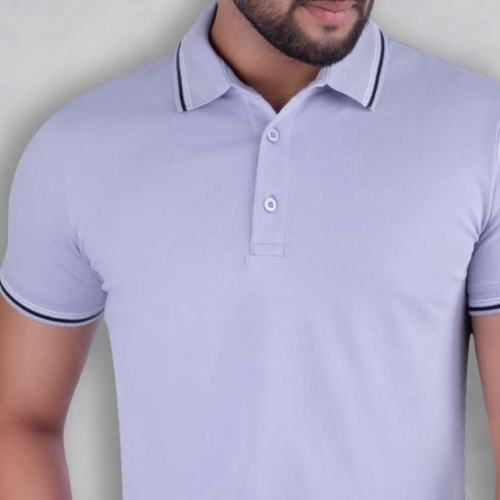
For HR, admin and procurement teams, “customised merchandise” can describe very different orders. A logo on an existing polo shirt is one project. A polo developed around a specified fabric, fit and colour is another. Understanding the difference makes product comparisons and quotations much clearer.

Why the choice matters for current corporate gifting
In January 2026, PPAI (Promotional Products Association International) reported that 78.7% of surveyed PPAI 100 distributors saw rising demand for better-designed, retail-style products. This reflects the association’s industry research, not an India-specific buyer estimate or a forecast for Merch Story. The practical question is whether the chosen product feels useful and well considered for your recipients. See the original PPAI analysis.
A recognisable brand can be part of that decision. So can a purpose-built bag, a well-finished notebook or a carefully chosen presentation format. Compare the actual specification and recipient use instead of assuming that one buying route always produces the better gift.
First, separate the product choice from the sourcing route
Branded products carry an established product brand. Corporate decoration, where available and permitted for the selected model, adds your company’s identity to that product or its presentation.
Made-to-order merchandise is produced to an agreed specification. Depending on the product and feasible order, that may include material, dimensions, construction, colours, components and decoration. The available choices still need supplier confirmation.
Ready-made unbranded products are another option. They offer an existing construction that may be suitable for adding your identity without developing a new product.
Direct import describes how a product is sourced. An imported item may be an existing model or a custom product; the term alone does not establish its quality, originality, warranty or scope for customisation. Ask for those details separately.
Compare branded products and made-to-order merchandise
Use these questions to compare options against the same brief. On smaller screens, scroll the table to compare.
| Decision | Existing branded product | Made-to-order product |
|---|---|---|
| Product identity | Choose an exact brand, model and variant. | Agree a construction or specification and an approved reference. |
| Design flexibility | Check available colours, sizes and permitted branding areas. | Confirm which materials, dimensions and details can be developed. |
| Quantity and timing | Confirm stock, size mix and replenishment before approval. | Confirm feasible production quantity, sample stages and schedule. |
| Price comparison | Include product, approved decoration, packing and delivery. | Include development or setup, production, decoration, packing and delivery. |
| Repeat orders | Check whether the same model and colour remain available. | Keep the approved specification and confirm material continuity. |
| After-sales support | Confirm model-specific warranty and the effect of customisation. | Agree quality checks, defect handling and any applicable warranty. |
Choose the route around the detail that matters most
When recognition is central to the gift
A requested retail brand may matter for a client appreciation programme or a defined employee reward. Give the supplier the exact model or the product attributes you want to preserve if alternatives are needed. “A premium branded bag” leaves room for very different interpretations.
Ask for product identity, sourcing documentation where relevant, available variants, decoration permissions and warranty terms. A corporate quotation should state the actual offered product. Brand names in a catalogue should not be treated as proof that every model is available or that every form of decoration is approved.
When the product must fit a specific workday
Made-to-order production is worth discussing when a standard item misses an important requirement. A bag may need a different compartment layout, a notebook may need a particular internal format, or apparel may need an agreed fabric and fit. Identify the requirement before selecting the route.
For customised laptop bags, provide device dimensions, carrying needs and the intended contents. For diaries and notebooks, specify size, page format, cover preference and any dated or company-specific content. These details are more actionable than asking for “something unique”.
When a date is fixed
Ask for a feasible plan for both routes. A ready-made product still needs confirmed stock, artwork approval, decoration and dispatch. A custom project may need additional development or sampling. The supplier should confirm the schedule for the actual product and quantity; the route’s name does not guarantee a delivery speed.
Use a mixed kit when different items need different decisions
You do not have to buy every item through the same route. An illustrative employee kit could combine an existing branded bottle, a made-to-order notebook, an approved bag and a welcome card. The exact combination depends on the brief and availability; it is not a fixed package.
Make the contents work as a set. Check the dimensions of the actual items before approving a box insert, and check the carrying experience if the bag is also the presentation format. Ask whether retail packaging stays with each item and how recipient information is attached.
Explore employee welcome-kit options with two separate decisions in mind: which products are useful, and how the complete kit should be packed. An attractive box cannot correct an unsuitable product choice.
If the kit includes a charger, audio product or another electronic accessory, use the tech-gift buying checklist to confirm model-specific compatibility and included accessories.
Match the branding method to the selected product
Choose the product and surface before committing to a finish. Embroidery, screen printing, direct-to-film (DTF) transfers, heat transfer, embossing and debossing solve different design problems. Their suitability depends on the specific fabric or material, construction, artwork and branding position.
For custom apparel, share the logo file, number of positions, required colours and intended garment use. For leather or vegan-leather items, confirm the actual material and a suitable sample of the proposed finish. “Vegan leather” should not be used as a substitute for a material specification or as an automatic environmental claim.
Ask the supplier to show the proposed branding area and explain any constraints. A digital proof can establish layout and spelling; material feel, construction and the physical finish need an appropriate sample discussion. Use the samples and mockups guide to assign each approval to the right stage.
Ask these questions before comparing prices
- What exact product or agreed specification does this quotation cover?
- Which colours, sizes, materials and branding choices are confirmed?
- What quantity is feasible for this particular option, and what happens if the size mix changes?
- Does the total include setup, decoration, personalisation, packing, delivery and applicable taxes?
- What sample or proof will be reviewed, and what does approval release into production?
- What happens if a stock model, material or component becomes unavailable?
- Who handles a defect, replacement or warranty request, and under what agreed terms?
Keep substitutions subject to your approval. A different brand, material, device model or bag size may change the recipient experience even if the supplier describes it as equivalent.
For recurring programmes, the 2027 merchandise budget planning guide helps separate product cost from branding, packing, approvals and distribution.
Turn the decision into a clear merchandise brief
State your recipient group, purpose, approximate quantity, budget scope, required arrival date and delivery locations. Then separate must-haves from preferences. A must-have might be a confirmed laptop fit or a specified brand model. A preference might be a colour, presentation style or alternative material you are willing to review.
If the route is still open, ask for two comparable proposals: an existing-product option and a made-to-order option that address the same need. Evaluate the complete order cost and the approval requirements alongside the product itself.
Merch Story works with made-to-order merchandise and can discuss branded and direct-import sourcing options. Share your brief for a product comparison and quotation. The suitable route, available customisation, commercial terms and timeline can then be confirmed around your order.
